



Technology is no longer limited to computers and smartphones. It has become deeply connected with how people live, work, communicate, and manage daily activities.
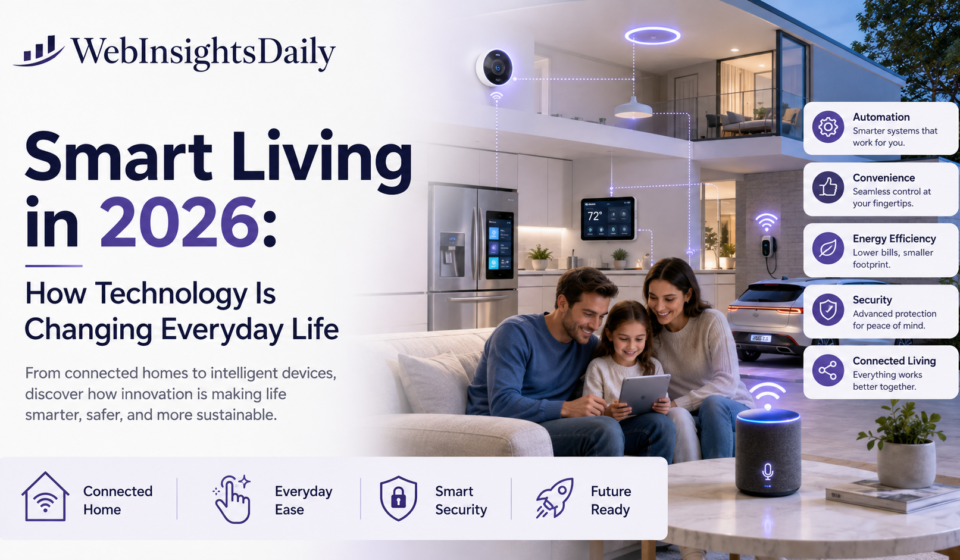
In 2026, smart living is becoming a normal part of everyday life. Artificial intelligence, connected devices, automation systems, and digital assistants are helping people save time, improve comfort, and make better decisions.
From smart homes that adjust automatically to AI assistants that manage daily tasks, technology is creating a more personalized and efficient lifestyle.
The future of living is not just about having more devices. It is about creating smarter environments that understand people’s needs and adapt to their routines.
What Is Smart Living?
Smart living refers to using modern technology to improve everyday experiences through automation, connectivity, and intelligent systems.
A smart lifestyle includes:
- Smart homes
- Connected appliances
- AI assistants
- Digital health tools
- Automated security systems
- Smart transportation
- Energy-efficient technology
The goal is to make daily life more convenient, efficient, and personalized.
How Technology Is Changing Everyday Life
1. AI Assistants Are Becoming Personal Digital Helpers
Artificial intelligence assistants are becoming more advanced than traditional voice commands.
Modern AI assistants can help with:
- Managing schedules
- Setting reminders
- Answering questions
- Organizing tasks
- Providing recommendations
In the future, AI assistants may become personal productivity partners that understand individual preferences and routines.
2. Smart Homes Are Becoming More Intelligent
Smart home technology is one of the biggest examples of connected living.
Modern smart homes include:
- Smart lighting
- Smart thermostats
- Smart security systems
- Smart appliances
- Connected entertainment devices
These systems allow homeowners to control their environment through mobile apps or voice commands.
3. AI-Powered Home Automation
The next generation of smart homes will move beyond simple automation.
AI-powered systems can learn:
- Daily routines
- Energy usage patterns
- Personal preferences
Example:
A smart home system may automatically adjust temperature, lighting, and music based on the user’s habits.
4. Smart Kitchens and Connected Appliances
Technology is transforming how people prepare and manage food.
Smart kitchen devices include:
- AI-powered ovens
- Smart refrigerators
- Automated coffee machines
- Connected cooking devices
These appliances can help users:
- Monitor food supplies
- Reduce waste
- Improve cooking efficiency
5. Smart Health and Wellness Technology
Health technology is becoming part of everyday life.
Smart wellness tools include:
- Fitness trackers
- Smart watches
- Sleep monitors
- Digital health platforms
These devices help users monitor:
- Physical activity
- Sleep patterns
- Heart health
- Lifestyle habits
Technology is encouraging people to become more proactive about their health.
6. Smart Transportation and Mobility
Transportation is becoming more connected and efficient.
Examples include:
- Electric vehicles
- Smart navigation systems
- Connected public transport
- Driver assistance technology
Future transportation systems will focus on:
- Safety
- Efficiency
- Sustainability
7. Smart Security Systems
Home security is becoming more advanced with AI.
Modern security solutions include:
- Smart cameras
- Facial recognition systems
- Motion sensors
- Automated alerts
AI-powered security systems can identify unusual activity and provide real-time notifications.
Benefits of Smart Living
Increased Convenience
Technology reduces the effort required for everyday tasks.
Better Time Management
Automation helps people spend less time on repetitive activities.
Energy Efficiency
Smart devices can reduce unnecessary energy consumption.
Improved Safety
Connected security systems provide better monitoring and protection.
Personalized Experiences
AI systems adapt to individual preferences.
Smart Living and Sustainability
Technology is also helping create more environmentally friendly lifestyles.
Smart solutions can reduce waste through:
- Energy monitoring
- Smart electricity management
- Efficient appliances
- Automated systems
Examples:
Smart thermostats can reduce unnecessary heating or cooling.
Smart lighting systems can turn off automatically when rooms are empty.
Challenges of Smart Living
Privacy Concerns
Connected devices collect large amounts of data.
Users should consider:
- Data protection
- Device security
- Privacy settings
Technology Dependence
Heavy reliance on technology can create challenges if systems fail.
People should maintain balance between digital and offline experiences.
Cost of Adoption
Some smart technologies require initial investment.
However, many devices can provide long-term benefits through efficiency and convenience.
The Role of Artificial Intelligence in Smart Living
AI is becoming the foundation of modern smart lifestyles.
AI helps technology:
- Understand user behavior
- Predict needs
- Automate decisions
- Improve experiences
Instead of users controlling every device manually, AI allows systems to become more adaptive.
Future Trends in Smart Living
The future of smart living may include:
AI-Powered Personal Environments
Homes that automatically adjust based on mood, schedule, and preferences.
More Connected Devices
Appliances and systems working together through intelligent networks.
Advanced Digital Assistants
AI assistants capable of managing complex daily tasks.
Sustainable Smart Homes
Technology focused on reducing energy consumption and environmental impact.
How to Create a Smarter Lifestyle Today
People can begin smart living by:
- Using smart energy devices
- Automating repetitive tasks
- Tracking health with wearable devices
- Improving home security
- Using AI productivity tools
Smart living does not require transforming everything at once. Small technology upgrades can create meaningful improvements.
Frequently Asked Questions
What is smart living?
Smart living means using connected technology, automation, and AI systems to improve daily life.
Are smart homes worth it?
Smart homes can provide convenience, energy savings, and improved security depending on the devices used.
How does AI improve smart living?
AI helps devices understand user behavior, automate tasks, and provide personalized experiences.
What are examples of smart living technology?
Examples include smart homes, wearable health devices, AI assistants, connected appliances, and smart transportation systems.
Conclusion
Smart living in 2026 is about creating a better relationship between humans and technology.
AI, automation, and connected devices are helping people save time, improve comfort, and make smarter decisions.
The future of everyday life will not simply involve more technology. It will involve technology that understands people and works around their needs.
Smart living represents a future where homes, devices, and digital systems work together to create more efficient, comfortable, and personalized experiences.